
12
DecemberSell My Home in Boston, MA: A Comprehensive Guide for Homeowners
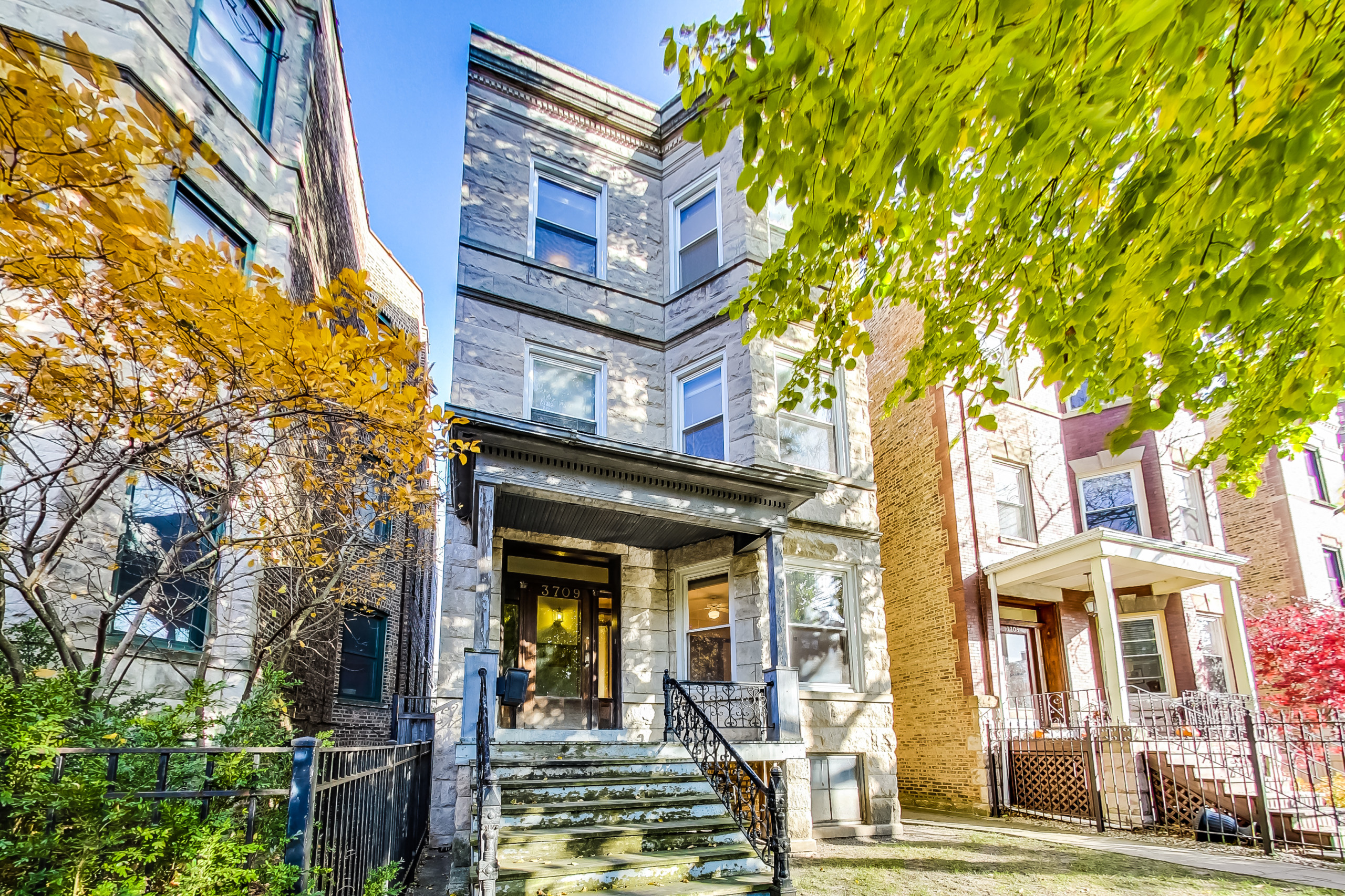
Selling your home can be one of the most significant decisions you make in your life. In a vibrant and bustling city like Boston, MA, the process can be both exciting and daunting. Whether you are relocating, downsizing, or simply looking for a change, understanding the nuances of the Boston real estate market can help you sell your home efficiently and profitably. This article serves as a comprehensive guide for homeowners considering selling their property in Boston, covering everything from market trends to staging, pricing, https://www.webuyhouseshere.com/sell-my-house-boston-ma and closing the deal.
Understanding the Boston Real Estate Market
Before diving into the selling process, it’s essential to understand the current real estate market in Boston. As of 2023, Boston’s housing market has been characterized by high demand, limited inventory, and rising home prices. The city’s rich history, prestigious universities, and thriving job market contribute to its desirability. In recent years, neighborhoods like South Boston, East Boston, and Jamaica Plain have seen significant appreciation in home values.
Market Trends
- Inventory Levels: Boston has experienced a low inventory of homes for sale, which can drive up prices. This scarcity can be advantageous for sellers, as it often leads to multiple offers and competitive bidding.
Preparing to Sell Your Home
Once you’ve decided to sell your home, the next step is preparation. Proper preparation can significantly impact the selling process and the final sale price.
1. Assess Your Home’s Value
Start by determining the market value of your home. You can do this through:
- Comparative Market Analysis (CMA): A real estate agent can provide a CMA, which compares your home to similar properties in your area that have recently sold.
2. Make Necessary Repairs and Upgrades
Investing in repairs and upgrades can yield a higher sale price. Consider:
- Curb Appeal: First impressions matter. Ensure your home’s exterior is well-maintained, including landscaping, paint, and entryways.
3. Stage Your Home
Home staging is the art of preparing your home for sale to make it more appealing to potential buyers. This may involve:
- Decluttering: Remove personal items and clutter to create a clean and inviting space.
Choosing the Right Real Estate Agent
A qualified real estate agent can be your best ally in the selling process. Here’s how to choose the right one:
1. Experience and Expertise
Look for agents with experience in the Boston market. They should have a track record of successful sales in your neighborhood and understand local market trends.
2. Marketing Strategy
Ask potential agents about their marketing strategies. A good agent should utilize a mix of online listings, social media, open houses, and traditional marketing to reach potential buyers.
3. Communication and Rapport
Choose an agent you feel comfortable communicating with. Selling a home can be a lengthy process, and having a reliable agent who keeps you informed is crucial.
Pricing Your Home Competitively
Setting the right price for your home is critical. Here are some tips:
1. Analyze Comparable Sales
Review recent sales of similar homes in your area to gauge what buyers are willing to pay. Your agent can assist with this analysis.
2. Consider Market Conditions
If the market is favoring sellers (low inventory and high demand), you may price your home slightly higher. Conversely, in a buyer’s market, pricing competitively is essential.
3. Be Open to Negotiation
Buyers may offer less than your asking price. Be prepared to negotiate and consider what your bottom line is before listing.
Marketing Your Home
Effective marketing is key to attracting potential buyers. Here are some strategies to consider:
1. Online Listings
Utilize popular real estate websites such as Zillow, Realtor.com, and the Multiple Listing Service (MLS) to list your home. High-quality photos and detailed descriptions are essential.
2. Social Media Marketing
Leverage social media platforms to reach a broader audience. Share your listing on Facebook, Instagram, and Twitter to attract potential buyers.
3. Open Houses and Showings
Host open houses to allow potential buyers to tour your home. Make sure the home is clean, well-lit, and inviting during these events.
Navigating Offers and Negotiations
Once your home is on the market, you will begin to receive offers. Here’s how to handle them:
1. Review Offers Carefully
Consider not just the offer price but also the buyer’s financing, contingencies, and closing timeline. A higher offer may not always be the best choice if it comes with many contingencies.
2. Counteroffers
If an offer doesn’t meet your expectations, don’t hesitate to make a counteroffer. This is a common part of the negotiation process.
3. Accepting an Offer
Once you accept an offer, you will enter into a purchase agreement. Ensure you understand all terms before signing.
Closing the Sale
The final step in selling your home is closing the sale. This process involves several key components:
1. Title Search and Insurance
A title search will confirm that you own the property and there are no liens against it. Title insurance protects both you and the buyer from potential issues that may arise later.
2. Home Inspection and Appraisal
The buyer will likely request a home inspection and appraisal. Be prepared for potential negotiations based on the findings.
3. Closing Costs
Understand the closing costs involved in selling your home, which can include agent commissions, title insurance, and other fees. These can vary, so it’s essential to budget accordingly.
4. Final Walk-Through
The buyer will typically conduct a final walk-through shortly before closing to ensure the home is in the agreed-upon condition.
Moving On: Next Steps After Selling
Once the sale is complete, it’s time to focus on your next chapter. Here are some considerations:
1. Relocation Plans
If you are moving to a new city or home, plan your relocation carefully. Consider hiring professional movers and creating a timeline for packing and moving.
2. Financial Planning
Selling your home can have significant financial implications. Consult with a financial advisor to understand how the sale impacts your finances and what steps to take next.
3. Emotional Transition
Selling a home can be an emotional experience, especially if you have lived there for many years. Take time to reflect on your memories and embrace the new opportunities ahead.
Conclusion
Selling your home in Boston, MA, can be a rewarding experience when approached with the right knowledge and strategy. By understanding the local market, preparing your home effectively, and working with a qualified real estate agent, you can navigate the selling process with confidence. Remember to price your home competitively, market it effectively, and be open to negotiations. With careful planning and execution, you can successfully sell your home and move on to your next adventure.