
8
DecemberWant to Know More About Best Real Estate Appraiser Harlem NYC?
Introduction:
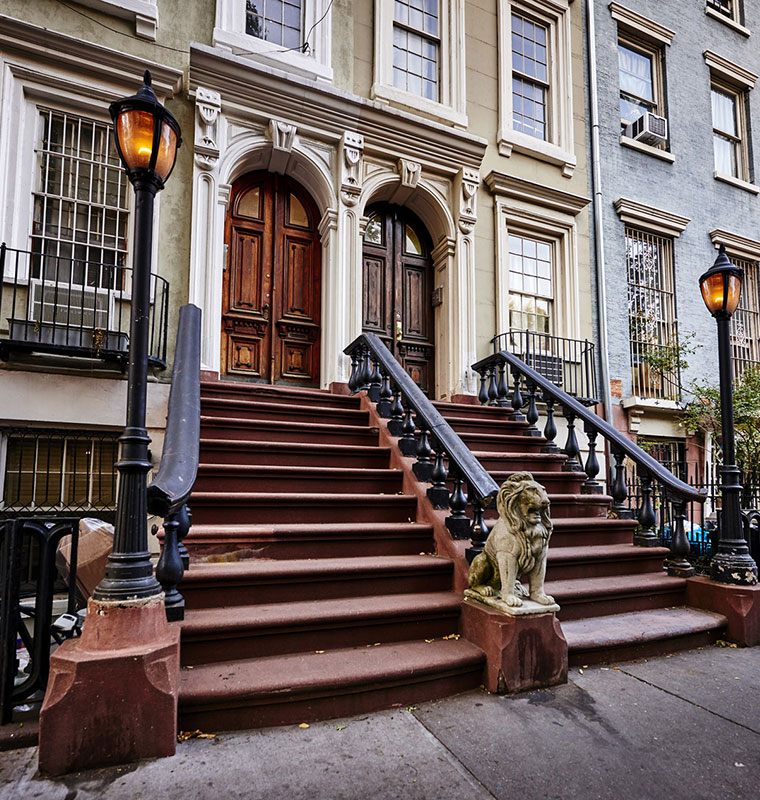 Harlem, located in the northern part of Manhattan, holds a significant place in the history and culture of New York City. The neighborhood underwent significant changes during the 20th century, particularly in terms of real estate development. This report aims to provide an overview of real estate appraisal in Harlem, NYC, specifically focusing on property values during the year 2000.
- Historical Context:
To understand the real estate appraisal in Harlem in 2000, it is essential to examine the historical context. Harlem emerged as a predominantly African-American neighborhood during the 20th century, witnessing the Harlem Renaissance in the 1920s and subsequent urban decay. However, by the late 1990s, several factors began to contribute to a revitalization of the area, including government initiatives, improved public safety, and increased interest from real estate developers.
- Factors Influencing Property Values:
Various factors influenced property values in Harlem during the year 2000. These include:
a) Gentrification: The process of gentrification, where middle and upper-class residents move into traditionally working-class neighborhoods, https://blockappraisals.com/real-estate-appraiser-harlem-nyc became a driving force for property value appreciation. This trend resulted in an influx of investment and improvements in the area, ultimately impacting real estate appraisal.
b) Accessibility and Transportation: Proximity to public transportation, such as subway lines and bus routes, played a crucial role in determining property values. Locations with better accessibility to transportation hubs tended to command higher prices.
c) Amenities and Infrastructure: Availability and quality of amenities and infrastructure, including schools, parks, healthcare facilities, and shopping centers, had a significant impact on property values. Areas with well-developed amenities tended to have higher property valuations.
d) Crime Rates: Improved safety and decreased crime rates were instrumental in attracting homebuyers and investors to Harlem, thereby potentially influencing property values.
e) Housing Stock: The variety and condition of housing stock in Harlem also played a role in property valuation. The presence of historic brownstones, townhouses, and new condominium developments all contributed to the overall property values.
- Assessment Methods:
Real estate appraisal in Harlem, NYC, relied on various assessment methods during the year 2000. These methods included the sales comparison approach, income approach, and cost approach. The sales comparison approach, where recent sales of comparable properties in the area are analyzed, was the most commonly used approach for appraising residential properties in Harlem.
- Property Values Trends:
In the year 2000, property values in Harlem witnessed a significant upswing, mainly due to the ongoing gentrification process. The neighborhood saw a surge in both residential and commercial development, resulting in substantial increases in property values compared to previous years. Brownstone townhouses, in particular, experienced a surge in popularity and value, as they became highly sought after by both homebuyers and investors.
Conclusion:
The real estate appraisal of Harlem, NYC, in the year 2000 reflects a period of transition and revitalization. The process of gentrification, combined with improved safety and accessibility, resulted in significant increases in property values. Harlem transformed from a neglected neighborhood to a desirable location for both residential and commercial investments. Understanding the factors influencing real estate appraisal in Harlem during this period provides valuable insights into the evolving landscape of this culturally significant neighborhood.