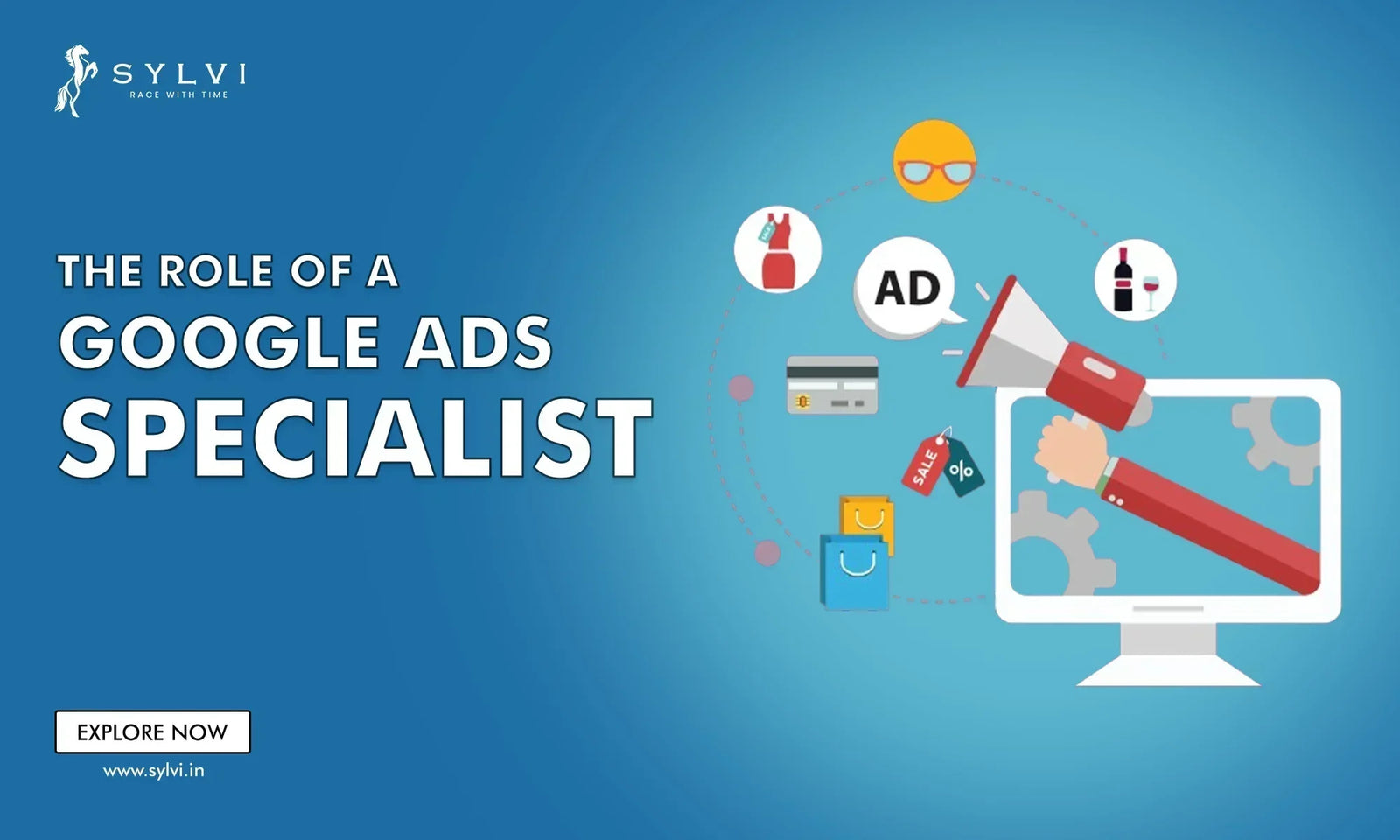
Google Ads, formerly known as Google AdWords, is one of the most powerful and effective online advertising platforms available today. Since its launch in 2000, Google Ads has revolutionized the way businesses reach their customers, allowing them to target specific audiences with precision and measure the effectiveness of their campaigns in real-time. This article aims to provide a comprehensive understanding of Google Ads, including its structure, benefits, best practices, and tips for success in digital advertising.
What is Google Ads?
Google Ads is an online advertising service developed by Google, where advertisers can display ads to users who are actively searching for products or services. The platform operates on a pay-per-click (PPC) model, meaning advertisers only pay when a user clicks on their ad. This model allows businesses to maximize their advertising budget by targeting users who are already interested in what they have to offer.
Key Components of Google Ads
To effectively use Google Ads, it is essential to understand its key components:
- Campaigns: A campaign is a set of ad groups that share a budget, location targeting, and other settings. Advertisers can create multiple campaigns to promote different products or services.
Ad Groups: Within each campaign, advertisers can create multiple ad groups. Each ad group contains a set of related ads and keywords. This structure allows for better organization and targeting.
Keywords: Keywords are the terms or phrases that users type into the Google search engine. Advertisers select keywords relevant to their business to trigger their ads when users search for
https://eclipsemarketing.io/google-ads those terms.
Ads: The actual advertisements that users see when they search for keywords. Ads can be text-based, image-based, or video-based, depending on the format chosen by the advertiser.
Landing Pages: The web pages users are directed to after clicking on an ad. A well-optimized landing page is crucial for converting visitors into customers.
Quality Score: Google assigns a Quality Score to each keyword based on its relevance, the quality of the ad, and the landing page experience. A higher Quality Score can lead to lower costs and better ad placements.
Benefits of Google Ads
Google Ads offers several advantages for businesses looking to promote their products or services:
- Targeted Advertising: Google Ads allows advertisers to target specific demographics, locations, languages, and devices. This precision ensures that ads reach the right audience at the right time.
Cost Control: With Google Ads, advertisers have complete control over their budgets. They can set daily or monthly spending limits, ensuring they never overspend on their advertising campaigns.
Measurable Results: Google Ads provides detailed analytics and reporting tools that allow advertisers to track the performance of their campaigns. Metrics such as clicks, impressions, conversions, and return on investment (ROI) can be monitored in real-time.
Flexibility:
Advertisers can quickly adjust their campaigns based on performance data. They can pause or stop ads, change keywords, and modify budgets as needed.
Brand Awareness: Even if users do not click on ads, they still see them. This visibility can help increase brand awareness and recognition, leading to higher organic search traffic over time.
Diverse Ad Formats: Google Ads supports various ad formats, including search ads, display ads, video ads, shopping ads, and app ads. This diversity allows businesses to choose the format that best suits their marketing goals.
How Google Ads Works
Understanding how Google Ads operates is crucial for maximizing its potential. Here’s a step-by-step breakdown of the process:
- Keyword Research: Advertisers begin by conducting keyword research to identify relevant keywords that potential customers might use to search for their products or services. Tools like Google Keyword Planner can help in this process.
Creating Campaigns and Ad Groups: Once keywords are selected, advertisers create campaigns and ad groups within Google Ads. Each ad group should focus on a specific theme or product.
Writing Ads: Advertisers then create compelling ads for each ad group. Ads should be clear, concise, and include a strong call to action (CTA) to encourage clicks.
Setting Budgets and Bids: Advertisers set a daily budget for each campaign and determine their bidding strategy. They can choose between automated bidding, manual bidding, or enhanced CPC (cost-per-click) bidding.
Launching the Campaign: Once everything is set up, advertisers can launch their campaigns. Google will then start displaying ads based on the selected keywords and targeting settings.
Monitoring and Optimizing: After the campaign is live, advertisers should regularly monitor its performance using Google Ads’ analytics tools. They can make adjustments to keywords, ads, and budgets to improve results.
Best Practices for Google Ads
To achieve success with Google Ads, advertisers should follow these best practices:
- Conduct Thorough Keyword Research: Use tools like Google Keyword Planner to identify high-volume, low-competition keywords. Long-tail keywords can also be effective in targeting specific audiences.
Write Compelling Ad Copy: Create ads that are engaging and relevant to the target audience. Highlight unique selling points and include a clear CTA to encourage clicks.
Optimize Landing Pages: Ensure that landing pages are user-friendly, relevant to the ad, and optimized for conversions. A seamless user experience can significantly improve conversion rates.
Use Ad Extensions: Ad extensions allow advertisers to provide additional information about their business, such as location, phone number, or links to specific pages on their website. Using ad extensions can improve click-through rates (CTR).
A/B Testing: Experiment with different ad copies, keywords, and landing pages to determine what works best. A/B testing can help identify the most effective strategies for driving conversions.
Regularly Review and Adjust Campaigns: Continuously monitor campaign performance and make necessary adjustments. This includes pausing underperforming ads, reallocating budgets, and refining targeting options.
Utilize Negative Keywords: Negative keywords prevent ads from appearing for irrelevant searches. This helps to improve the relevance of ads and reduces wasted spending.
Common Mistakes to Avoid
While Google Ads can be highly effective, advertisers often make mistakes that can hinder their success. Here are some common pitfalls to avoid:
- Ignoring Keyword Research: Failing to conduct thorough keyword research can lead to targeting the wrong audience. Always prioritize relevant keywords to maximize ad effectiveness.
Neglecting Ad Copy Quality: Poorly written ads can lead to low CTR and wasted budget. Invest time in crafting compelling ad copy that resonates with your target audience.
Overlooking Landing Page Optimization: A poorly designed landing page can result in high bounce rates and low conversion rates. Ensure that landing pages are optimized for user experience and conversion.
Setting and Forgetting: Many advertisers launch campaigns and then neglect them. Regular monitoring and optimization are crucial for achieving desired results.
Not Utilizing Analytics: Failing to analyze campaign performance can prevent advertisers from understanding what works and what doesn’t. Use analytics to inform decisions and strategy adjustments.
Conclusion
Google Ads is a powerful tool for businesses looking to enhance their online presence and drive targeted traffic to their websites. By understanding its components, benefits, and best practices, advertisers can create effective campaigns that yield measurable results. With continuous monitoring and optimization, Google Ads can be a significant driver of growth and success in the digital landscape. As the advertising landscape evolves, staying informed and adapting strategies will be key to leveraging the full potential of Google Ads.